

Shabby Kim
My friend Kim didn’t offer much as a kid, even as a young adult. She wasn’t all that pretty, couldn’t sing well, and was much too timid. At least that’s what she told herself.
Version 1.0.0
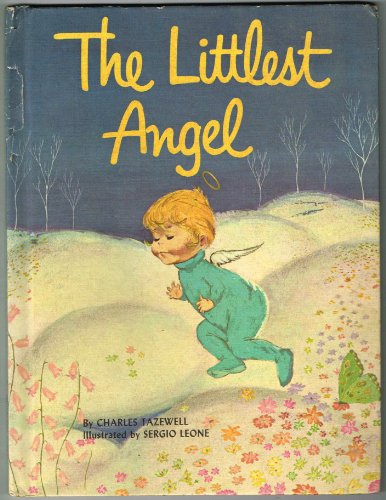
And that’s probably why she read “The Littlest Angel” over and over as a child. The book tells of a boy-turned-angel, who is too small, too off-key, and just too awkward to fit in, even in heaven.
The lonelyboy would find joy only if he could go back to earth and retrieve a box he kept underhis bed. Kim, too, kept things in a box as a kid; for a while she ignored it.
Kim and her mother were poor. But so was just about everyone else in the African-American enclave where they live in the Sixties. Kim’s mom had struggled ever since her parents died when she was young and was subsequently treated more like a servant than a sibling when her sister took her in.
Later, as a young woman, she met a guy, who stole her heart, married her, gave her a child, and then left before daughter Kim could form a memory of him — left without any future child support, any future Christmas presents, any contact with Kim for twenty years. Nothing.
Kim’s mom got one of the rare jobs available for African Americans in the pre-Civil Rights era. The Navy Department hired her. Every morning, she would dress up and somehow get to work about 10 miles away despite never owning a car; in fact, she didn’t have a license. What she had was a confidence that she could get to and from work somehow, and miraculously, she always had a ride – every day for 40 years.
And she was never beholden to anyone. She gave much more than she got. She had food when others didn’t, so she shared hers with them.
Cookies were the family’s currency, especially at Christmas. Kim’s mom would take a week off from work, and the two of them would turn the kitchen into a cookie factory and distribution center.
What sweet memories for Kim. What inestimable blessings to those receiving cookies and love: the friend with an alcoholic husband and eight kids; the elderly who kept watchful eyes on the neighborhood children and advised parents on correcting their youngsters’ behavior; the sick, the lonely, the stranger — all those, Kim believed, Jesus would befriend.
 Jesus’ birthday was celebrated at the local Baptist church in much th
e same way as at other churches, with lots of carols and caring, and with the baby Jesus in swaddling clothes in a crèche. A white baby Jesus wasn’t a problem for Kim, nor did it seem to be for other black church-goers back then. What troubled Kim was the baby’s father. Jesus had an earthly father — sort of — and a heavenly father who was never seen. That hit home for Kim.
Clothes and books were Kim’s primary gifts, though her mother assumed Santa’s role one Christmas and took Kim to a Carlisle toy store to buy her a black doll. Not one was available, nor could it be ordered.Clothes at Christmas were important because how one looked told others that poverty hadn’t worn you down. Books were food for the precocious Kim, who could read by age three. And, again, the best of those books was “The Littlest Angel.”
Near the end of that story, after the now happy boy-angel had retrieved his box, God announced the birth of Jesus. The angels prepared gifts. The littlest angel decided to give Jesus his box as a gift. But the shabby box with nothing of value inside paled in comparison to what others were presenting. You know the ending or go read it.
For Kim, the ending of the book was a beginning. It took her years to accept her shabbiness, to realize that everyone else was equally shabby in God’s eyes, and to know deeply that God loves shabby people. You didn’t have to get dressed up for God. You didn’t need a perfect family – whatever that was – because you were part of God’s family of saved misfits. And He was your father, your real father, who wouldn’t be leaving you, who would be giving you the most wonderful Christmas present every year, and who would be coming back some day. He promised. And Kim believed Him, and sang His praises beautifully./p>
Got time for more ramblings?
Last Meal Out
Natalie smiled constantly from her bed as she listened to the stories and hilarity of relatives and friends gathered near her. My mother was now dying. And then she got up and went out for Sunday dinner and grocery shopping.

Store Strippers
About once a month, very early in the morning, our mother would load us two youngsters onto a bus that took us to a subway station that took us to Boston and to the opening of the Filene’s Basement “Dollar Day” sale and impromptu strip show.
Zipper Down
In her final hours, as she lay in her hospital bed, in and out of consciousness, surrounded by a gaggle of family members, my always smiling mother-in-law said something softly to my wife who repeated it and got the room laughing loudly.
Write Like Emily
When American Literature Professor Oscar Daub returned our college essays on an Emily Dickinson poem — mine was quite impressive, I thought — written on my two-pager was a large, red “D” and the words, “See me!” I hung back after class, somewhat anxious, not really angry, but expecting that I was about to experience something awkwardly eye-opening.

All Bets Off delves into the common backstory and connected final chapter of two disoriented seniors.
Wild Rice Wild steps through 24 hours in the beleagured life of someone with both an awkward problem and a harsh memory.
For children comes a wonderfully silly story about, Stella Spoonbill Takes a Bathwho realizes she needs a bath for the first time.
Payback Kiss
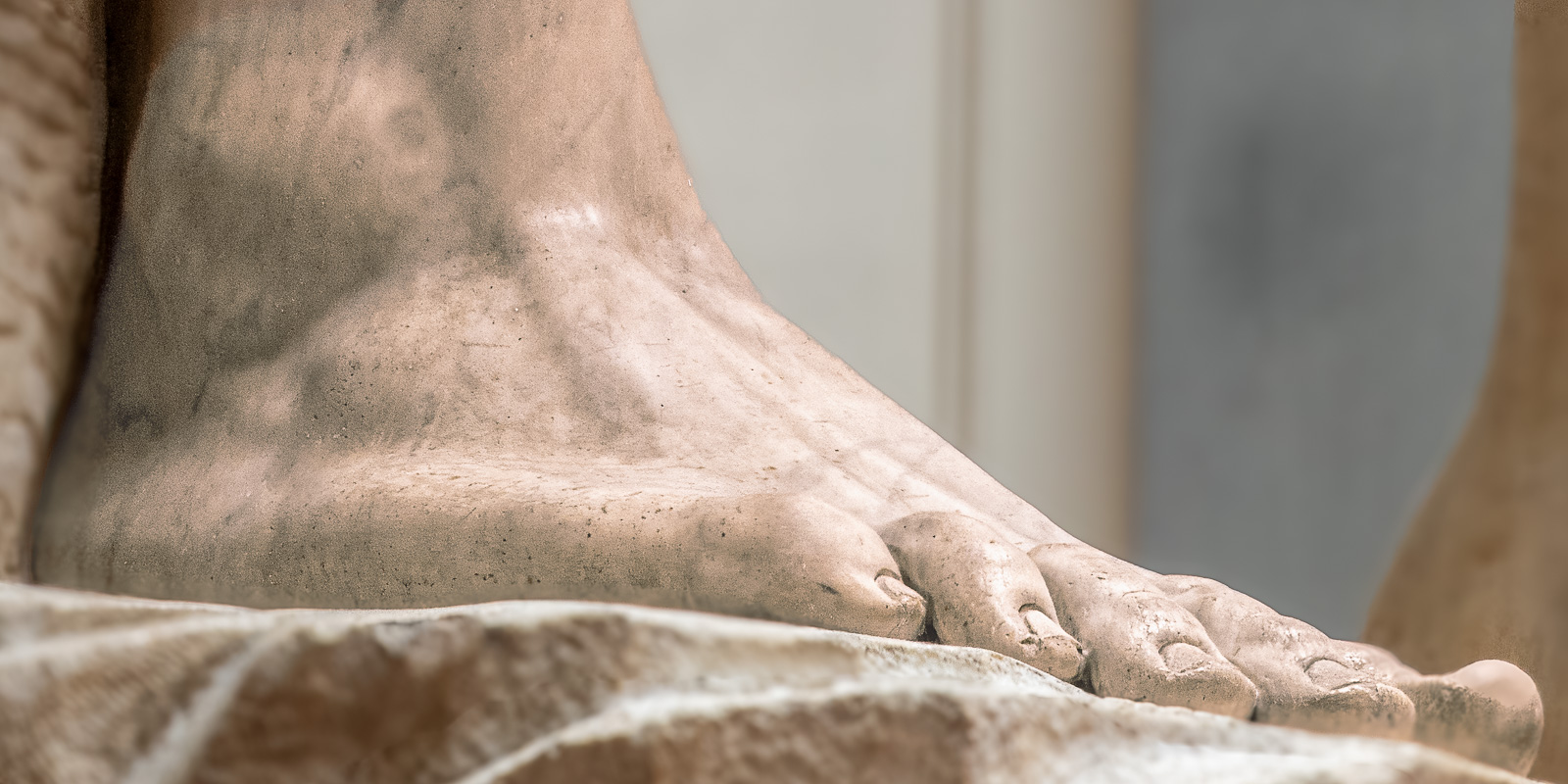
My mother broke her foot back in the early ’50s when she had two young children, when my father was off to sea with the Navy, when money was tight, when we lived on the top floor of a double-decker house, and when we didn’t have a car. My mother was alone and trapped and reluctant to seek help. Then comes the really good part of the story.