

Basement Strippers
My family shopped at four stores when I was young. Each had a story. The best was the one in a Boston where you could buy dirt-cheap — I should say, discounted — clothes and watch a strip show.
Reading time: about 3 minutes
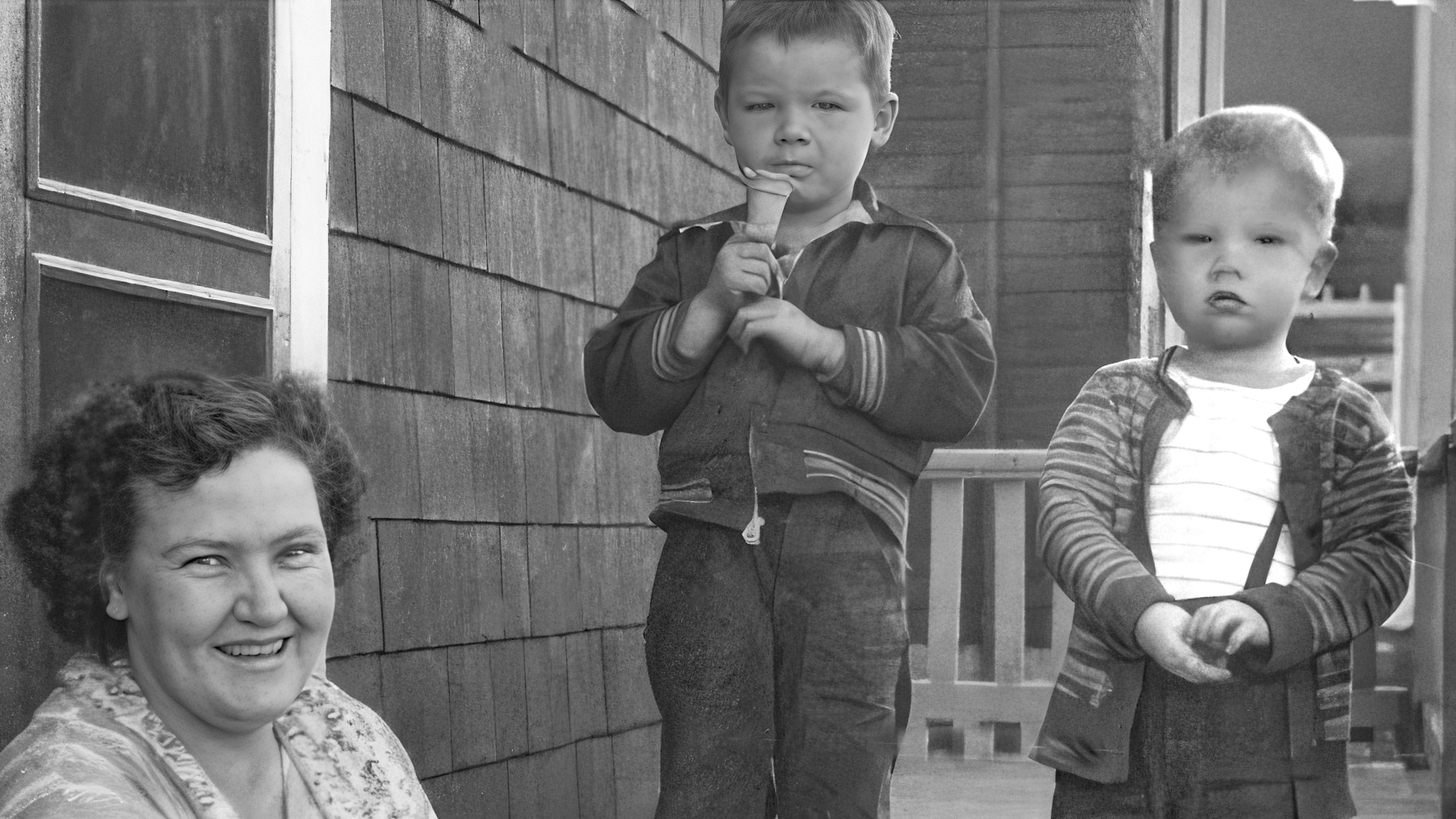
About once a month, very early in the morning, our mother and we two youngsters would hop onto a bus to the Everett subway station outside Boston, where we would board the elevated train that wended its way around the exurb triple-deckers and then drop down into the underground, bound for the Sumner stop, where we would squeeze in with the horde of impatient women pressed together awaiting the opening of the Filene’s Basement “Dollar Day” sale and impromptu strip show.
My family regularly visited four stores when I was young, each of which sparks a distinct memory: the “commissary” monthly, Zayre most Friday nights, F. W. Woolworth almost weekly, and Filene’s Basement on “Dollar Day.” All offered name products at discount, which helped elevate the perception of our low-income family, or so my mother believed.
The “commissary” was a sizable grocery market with a moderate household section at the Bedford, Massachusetts, Air Force Base. We shopped there because my father was either an active or retired Navy or Coast Guard cook at the time. When we could afford a standalone freezer, my parents purchased discount-priced food there in bulk. They even bought milk in bulk for saving but also because Andy, our friendly Whiting’s Company milk delivery man had retired. Freezing separated cream from the milk, which required us to stir the bottle to make it acceptably drinkable. We kids missed Andy.
Zayre was an early “big box” store in Saugus, MA, offering everything for a middle-class lifestyle, including knock-offs of trendy outfits like seersucker shirts and penny loafers for boys. A supposed friend my Freshman year mocked me about my bump-off outfits, especially since he parents could afford full-price clothes for him at the upscale Kennedy’s store in Boston.
F.W. Woolworth’s was a 45-minute walk from our house to downtown Melrose (Massachusetts). The store sold just about everything except groceries. However, there was a tempting candy and cookie section. My mother had a clever trick of filling a large paper bag with inexpensive, high-sugar wafer cookies instead of a small bag of the pricier, top-shelf chocolate-chip variety. We boys always had plenty of sweets. We felt food-rich!
And there was Filene’s … a haven where quality and prices increased with each higher floor. We shopped on the bottom floor, widely known as Filene’s Basement.</style=”text-align:>
Anyone from New England probably recalls “Dollar Day” at Filene’s Basement, where everything cost — yes — a dollar. No returns and not fitting rooms. So, the bargain craved shoppers — almost all women — would undress unashemdly to their slips, decide to buy or not, and try on a different size (reluctantly, usually larger). My brother and I were amazed.

One last Filene’s Basement story. In seventh grade, when appearance mattered greatly to a kid, my mother brought home a striking red, tablecloth-patterned shirt from Dollar Day. I mistakenly gushed over it. The next day, she went back for a special, extra “Dollar Day” sale and bought the same shirt in blue and green. Owning only five shirts, I had to carefully plan my wardrobe to avoid teasing from friends, such as, “It must be Monday because Skaare is in that red tablecloth shirt again.”
Today, I don’t have a favorite store and I dislike shopping.
Got time for more ramblings?

Zipper Down
2 min read
In her final hours, as she lay in her hospital bed, in and out of consciousness, surrounded by a gaggle of family members, my always smiling mother-in-law said something softly to me that got the room laughing loudly.
Last Meal Out
3 min read
Natalie smiled constantly as she listened to the stories and hilarity of relatives and friends gathered near her. She was one of them but did not participate. Ninety-three years of joys and challenges and sadness had run their course. My mother was now dying. And then she got up and went out for Sunday dinner and grocery shopping.
Write Like Emily
5 min read
My impressive — or so I thought– two-page essay for a college American Literature course was returned with a large, red “D” and the words, “See me!” I was about to experience something awkwardly eye-opening.

Shabby Kim
3 min read
My friend Kim didn’t offer much as a kid, even as a young adult. She wasn’t all that pretty, couldn’t sing well, and was much too timid. At least that’s what she told herself and why she read “The Littlest Angel” over and over.

All Bets Off delves into the common backstory and connected final chapter of two disoriented seniors.
8 min read
Wild Rice Wild steps through 24 hours in the beleagured life of someone with both an awkward problem and a harsh memory.
32 min read
For children comes a wonderfully silly story about, Stella Spoonbill Takes a Bath who realizes she needs a bath for the first time.
10 min read
Payback Kiss
2 min read
My mother broke her foot back in the early ’50s when she had two young children, when my father was off to sea with the Navy, when money was tight, when we lived on the top floor of a double-decker house, and when we didn’t have a car. My mother was alone and trapped and reluctant to seek help. Then comes the really good part of the story.